




Provision of a lunch benefit and taxation
/Edenred-Lounari-ihmiset-sy%C3%B6m%C3%A4ss%C3%A4-ravintolassa.jpg?width=1200&height=675&name=Edenred-Lounari-ihmiset-sy%C3%B6m%C3%A4ss%C3%A4-ravintolassa.jpg)
The lunch benefit is subject to specific tax regulations defined by the Finnish Tax Administration. The taxable value is updated annually, even though the fundamental principles of taxation often remain the same. The current taxable value of the lunch benefit can be found on the Finnish Tax Administration’s website. It is important for employers to monitor these changes to ensure that the benefit is implemented in compliance with tax regulations and in a cost-efficient manner.
In this blog, we will go through what a lunch benefit means in practice, how its taxation works, and how employees can make the most of the benefit.
How does the lunch benefit work in Finland?
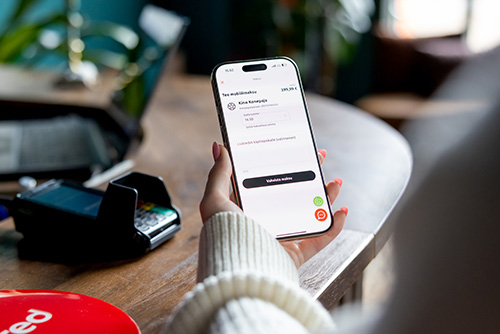
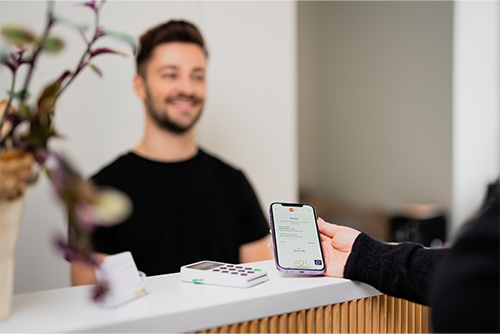
Ravintoetuja voidaan tarjota eri muodoissa, kuten suoraan tarjottuina aterioina työpaikalla tai nykyaikaisten maksuvälineiden avulla. Maksutapoina voivat olla esimerkiksi Apple Pay, Google Pay, Edenred Pay tai fyysinen maksukortti. Koska kyseessä on luontoisetu eikä rahallinen korvaus, se on työntekijälle arvokas osa työsuhde-etuuksia.
Lunch benefits can be provided in various forms, such as meals served directly at the workplace or through modern payment methods. These may include Apple Pay, Google Pay, Edenred Pay, or a physical payment card. As the benefit is a fringe benefit rather than a cash allowance, it represents a valuable part of an employee’s overall compensation package.
The lunch benefit is a partially taxable benefit and its taxation is governed by specific rules set by the Finnish Tax Administration. Employers must follow official guidelines when determining the taxable and tax-exempt portions of the benefit. The way in which the lunch benefit is arranged affects both the employee’s taxation and the employer’s costs.
A lunch benefit can have a positive impact on workplace atmosphere and employee satisfaction. Regular, high-quality meals support employees’ wellbeing and can help reduce sick leave. In addition, shared meal breaks can strengthen team cohesion. For employers, offering a lunch benefit can also serve as a way to attract and retain talent in a competitive labor market.
The lunch benefit can be implemented, for example, in the following ways:
- Lunch benefit: Edenred Lunch is an employee benefit that can be used via mobile payments, a physical payment card, and a mobile app at thousands of restaurants and food outlets.
- Employer-subsidized meals: For example, a workplace cafeteria where employees can dine at a subsidized price.
- Expense reimbursement: The employer may reimburse employees’ meal expenses in certain situations within the framework of tax regulations.
Different implementation methods have their own tax implications, and employers must ensure that their practices comply with current regulations.
When properly arranged, a lunch benefit supports employee wellbeing while also providing tax advantages for both employees and employers.
Taxation of the lunch benefit in 2026: what employers need to know
Meals provided by the employer have a fixed taxable value defined by the Finnish Tax Administration. In 2026, this taxable value is EUR 8.80 per meal, provided that the actual cost of the meal, including VAT, is between EUR 8.80 and EUR 14.00. If the cost of the meal exceeds EUR 14.00, the excess amount is fully considered taxable income for the employee. On the other hand, if the actual cost of the meal is below EUR 8.80, the taxable value still remains EUR 8.80. These rules apply when the employer provides meals directly in a workplace cafeteria or through agreements with restaurants.
Lunch benefits provided as vouchers or payment solutions are subject to slightly different tax rules. The taxable value is 75% of the nominal value of the benefit, provided that its value is between EUR 8.80 and EUR 14.00 per day. If the benefit exceeds EUR 14.00, the excess is fully taxable income.
The employee must pay at least 75% of the value of the meal benefit, while the employer’s share can be at most 25%. This ensures that the employee contributes to the cost of their meals. For example, if the value of the meal benefit is EUR 11.73, the employee’s minimum co-payment is EUR 8.80, and the employer covers the remaining amount. It is the employer’s responsibility to ensure compliance with tax regulations, monitor employee contributions, and inform employees about how the benefit affects their taxable income. Failure to comply with these rules may result in tax consequences or other financial liabilities.
How employees can use the lunch benefit
In Finland, employees can use lunch benefits, such as Edenred Lunch, widely at locations that are part of the approved network. The benefit can be used in restaurants, cafés, and workplace cafeterias, and in most places meals can either be enjoyed on-site or taken away. Edenred Lunch can also be used in certain grocery stores for ready-made meals, such as salads and hot dishes that are ready to eat.
There are some restrictions that determine how and when the lunch benefit can be used. The benefit can be used once per working day, and it cannot be transferred to another day or given to another person. The lunch benefit is intended solely for meals and cannot be used for other purchases or exchanged for cash.
Part-time employees and those with irregular working hours can use the lunch benefit on their working days, but specific guidelines may vary by employer. In many cases, the benefit is not limited to specific hours and can be used flexibly according to the employee’s schedule. However, some workplaces may restrict its use to typical lunchtime hours.
Make the most of your lunch benefit easily and conveniently! Edenred Lunch offers a wide network of approved restaurants and cafés across Finland. Learn more and start using it today.
The lunch benefit provides employees with an easy and cost-effective way to manage daily meal expenses while ensuring compliance with tax regulations.
Summary of the lunch benefit
A lunch benefit is a fringe benefit provided by the employer to support employees’ meals and wellbeing at work. It can be implemented in various ways, such as workplace dining, lunch vouchers, or electronic meal cards. The taxation of the lunch benefit is determined according to the rules of the Finnish Tax Administration, and in 2026 the taxable value of a meal is EUR 8.80, provided that its actual cost is between EUR 8.80 and EUR 14.00.
Employees can use their lunch benefit widely at approved restaurants and workplace cafeterias, but it is generally not valid for regular grocery shopping. The benefit can be used once per day and cannot be transferred to another person or exchanged for cash. When properly arranged, a lunch benefit provides flexibility for employees’ meals and offers employers a competitive advantage by supporting employee wellbeing and engagement.
Would you like to optimize your lunch and employee benefits and make the most of tax-efficient solutions? Explore Edenred’s flexible options and find the benefits that best suit your company.
Frequently asked questions about the lunch benefit
Can the lunch benefit be used on weekends or days off?
Yes, the lunch benefit can also be used on weekends and other days off if the employee has a work shift on those days. For example, Edenred Lunch is not tied to specific times or days of the week—you can dine flexibly anytime and anywhere, 24/7.
Can the lunch benefit be used in grocery stores or for takeaway food?
The lunch benefit can be used for ready-made meals at approved restaurants, cafés, and workplace cafeterias. In addition, it can be used in certain grocery stores for ready-to-eat products, such as salad or sushi buffets and hot meals that can be quickly heated and eaten. The benefit cannot be used for ingredients like meat, vegetables, or other everyday grocery items.
Can an employee pay for a meal using both the lunch benefit and cash?
If the price of the meal exceeds the maximum value of the lunch benefit, the employee can pay the remaining amount with their own money or another payment method.
Is the lunch benefit limited to certain times of the day?
In most cases, the lunch benefit can be used throughout the day. However, in some workplace cafeterias or partner restaurants, its use may be restricted to specific times, such as lunchtime.
How does the value of the lunch benefit affect an employee’s taxation?
The lunch benefit is a partially taxable benefit. The employee must pay at least 75% of its value, while the employer can cover the remaining portion. Taxation is also affected by whether the value of the meal exceeds the limits set by the Finnish Tax Administration.
Interested? Get in touch and learn more!